
Tanzania Photography Safari:
Capture Wildlife, Culture, and Landscapes in Africa
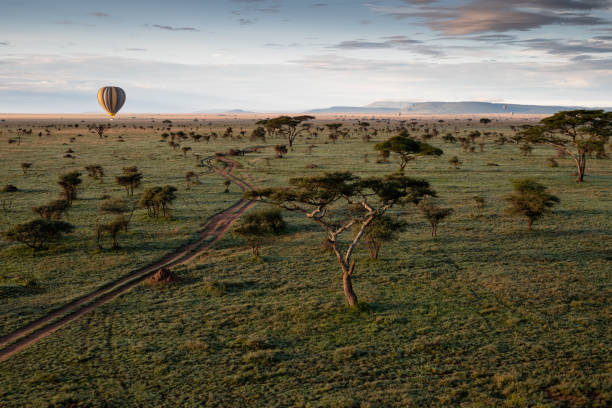
This is the magic of a Tanzania Photography Safari, where every second feels like a perfect frame. The first light of dawn spreads softly across Tanzania’s endless plains. A warm glow reveals acacia silhouettes and distant wildlife stirring awake.
The Best of Tanzania Photography Safari - The Journey Begins with a Different Purpose
A safari can mean many things. For some travelers, it is about ticking destinations off a list. For others, it is about slowing down and seeing Africa through a creative lens. A Tanzania Photography Safari offers something deeper. It is a journey designed for those who want to document wildlife, landscapes, culture, and authentic human stories.
The adventure often starts in Arusha, northern Tanzania’s safari gateway. Cameras are unpacked, batteries charged, and lenses prepared. Excitement builds as guides explain the route and best shooting conditions.
Unlike a regular safari, this experience follows light and timing. Vehicles leave before sunrise and stay flexible throughout the day. Guides position the vehicle carefully, always considering the angle of light and subject behavior.
Patience becomes part of the adventure. You may wait quietly for a lion to lift its head or a bird to spread its wings. Those small moments often create the strongest images.
A wildlife photography safari in Tanzania is not rushed. The focus stays on observation, creativity, and storytelling. Every game drive becomes an opportunity to capture nature in its purest form.
This journey is about more than photos. It is about seeing Tanzania with intention.
Capturing Wildlife in Its Natural Rhythm
The landscapes of Tanzania offer extraordinary wildlife encounters. Serengeti National Park provides endless open plains where predators and prey create constant movement.
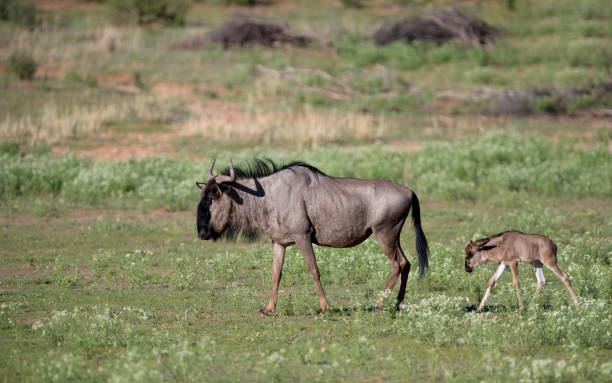
Here, photographers capture lions resting beneath golden light, cheetahs scanning the grasslands, and elephants crossing distant horizons. During migration season, thousands of wildebeest and zebras create dramatic compositions. Dust rises behind them, adding texture and emotion to every frame.
A Tanzania wildlife photography tour allows time to wait for natural behavior. Guides know where animals rest, hunt, and gather. This local knowledge increases opportunities for stronger images.
The journey may continue to Tarangire National Park, famous for baobab trees and large elephant herds. The park combines strong subjects with dramatic scenery. Elephants often move between ancient trees, creating iconic safari scenes.
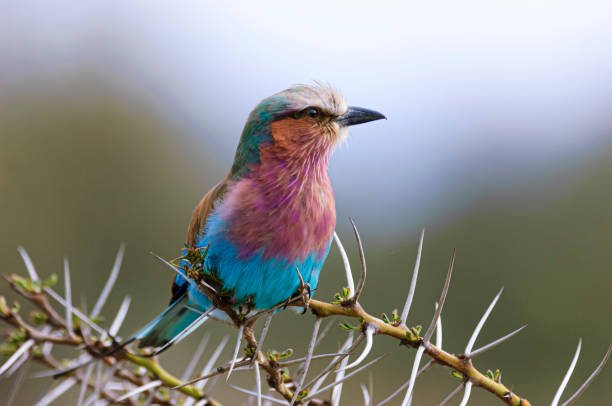
Bird enthusiasts also thrive here. Colorful species add variety and detail to any photography collection. Lilac-breasted rollers, hornbills, and storks provide excellent action shots.
A Tanzania filming safari works equally well in these settings. Wildlife behavior unfolds naturally, creating beautiful footage filled with movement and atmosphere. In these parks, nature always leads the story.
Film Culture, Landscapes, and people Responsibly
A strong visual story needs more than wildlife. Tanzania offers rich cultural experiences and breathtaking scenery that complete the journey.
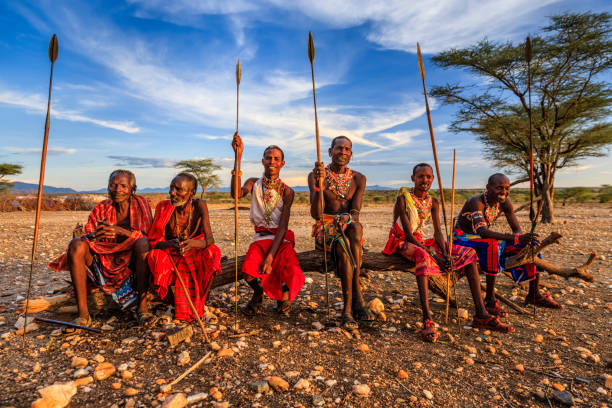
Photographers often visit communities near safari routes to capture authentic daily life. Markets, handmade crafts, and traditional dress create vibrant visual storytelling opportunities. Portrait photography becomes especially rewarding during these visits.
Meaningful interactions matter. A responsible Tanzania Photography Safari respects local communities and avoids staged encounters. Guests engage naturally while learning about traditions, history, and everyday life.
Landscape photography also plays a central role. The highlands around Ngorongoro Crater offer sweeping views, dramatic clouds, and layered scenery. Early mornings often bring mist, creating soft light and moody compositions.
Sunsets across the savannah deliver rich colors that transform simple scenes into striking visuals. A lone acacia tree or silhouette of giraffes can become unforgettable images.
Responsible tourism adds deeper meaning to the experience. Many photography-focused safaris support local employment, ethical wildlife viewing, and low-impact travel practices.
This approach ensures your journey benefits both people and nature. Great photography should tell beautiful stories without harming the subjects behind them.
Get started with our Holiday Deals
Get In Touch
Its never too soon or too late to get in touch, we are always eager to help out